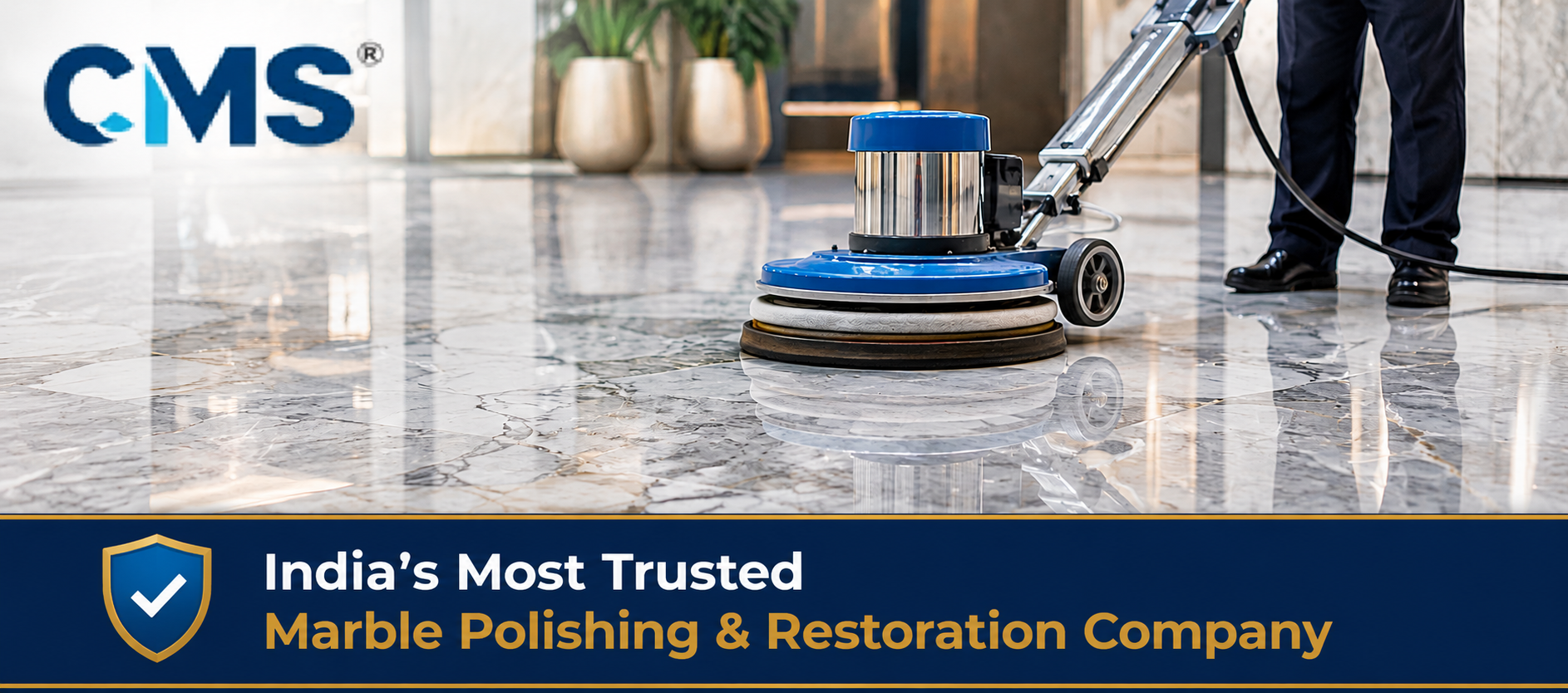
Marble surfaces are built to last for decades, but their shine doesn’t last without care. Daily foot traffic, dust particles, spilled liquids, harsh cleaning agents, and general wear gradually dull even the most beautiful marble floors and countertops. What once looked glossy and smooth can turn faded, scratched, and uneven over time. This is exactly where professional restoration makes a difference, and it’s why so many property owners search for the best Marble polishing services in Noida when their marble starts losing its original brilliance.
This article explains how professional marble polishing works, why it matters, and what to look for when choosing a service provider in Noida.
Why Marble Polishing Matters for Your Property
Marble is a natural stone, and like any natural surface, it reacts to its environment. Over time, exposure to moisture, dust, and foot traffic wears down the top layer, leaving the surface looking tired even if the marble itself is structurally fine.
Professional polishing helps by:
- Restoring the natural shine and reflective finish
- Improving the overall appearance of floors, staircases, and countertops
- Removing minor surface imperfections such as light scratches
- Making the surface easier to clean and maintain
- Protecting the marble from further wear
- Extending the usable life of the flooring or surface
For homeowners and businesses alike, a well-maintained marble surface also contributes directly to how a property looks and feels to visitors, guests, or customers.
Signs Your Marble Needs Professional Polishing
Not every mark on marble means it needs full restoration, but certain signs usually indicate that professional attention is overdue:
- A dull or faded appearance instead of a natural glow
- Visible scratches, especially in high-traffic zones
- Stubborn stains that regular cleaning doesn’t remove
- Water marks or ring stains from spills
- Etching caused by acidic substances like citrus juice or vinegar
- Uneven shine across the surface
- Loss of the original smoothness underfoot
- Wear patterns concentrated near doorways, staircases, or walkways
If you notice several of these signs together, it’s usually a good time to have the surface professionally assessed.
Our Advanced Marble Polishing Process
Marble polishing isn’t a single step — it’s a structured process that depends on the marble’s current condition. Here’s how a professional job typically unfolds.
Inspection and Surface Assessment
Before any work begins, the surface is inspected to understand the extent of dullness, scratching, staining, or unevenness. This determines which stages of the process are actually needed.
Deep Cleaning and Preparation
The surface is thoroughly cleaned to remove dust, grime, and residue that could interfere with grinding or polishing equipment.
Grinding and Surface Leveling
For marble with deeper scratches or unevenness, controlled grinding is used to level the surface and remove damaged layers.
Honing and Scratch Removal
Honing smooths out fine scratches and imperfections, preparing the surface for a consistent, even finish.
Diamond Polishing
Diamond abrasive pads are used in stages, moving from coarser to finer grits, to gradually bring out the marble’s natural reflective quality.
Fine Polishing and Gloss Enhancement
The final polishing stage refines the shine further, enhancing clarity and gloss without altering the marble’s natural character.
Sealing and Final Inspection
Once polished, the surface may be sealed to help protect it from future stains and moisture, followed by a final quality check.
This structured approach is a core reason property owners look specifically for the best Marble polishing services in Noida, rather than attempting a quick fix.
Benefits of Professional Marble Polishing
Choosing professional restoration over surface-level cleaning offers several real advantages:
- Restored natural shine and depth of color
- Improved visual appeal for both interiors and exteriors
- A smooth, refined surface underfoot
- Better resistance to future staining
- Removal of minor surface imperfections
- Easier day-to-day cleaning and maintenance
- Longer-lasting appearance between restoration cycles
- A noticeably improved first impression for visitors or clients
Marble Surfaces We Can Polish and Restore
Professional polishing techniques apply to a wide range of marble installations, including:
- Marble floors
- Staircases
- Lobbies and entryways
- Hallways and corridors
- Countertops
- Reception areas
- Commercial spaces
- Hotels
- Offices
- Residential properties
Each surface type may require slightly different handling depending on foot traffic, exposure, and the marble’s condition.
Common Marble Problems We Help Address
Professional restoration can typically improve the following issues:
- Scratches from furniture movement or foot traffic
- General dullness from years of use
- Surface stains from spills or improper cleaning products
- Etching caused by acidic substances
- Water marks from standing moisture
- Minor surface wear in high-traffic areas
- Uneven finishing from prior DIY attempts
- Loss of natural gloss over time
It’s worth noting that polishing addresses surface-level issues. Deeper structural damage, such as cracks or chips, may require separate repair work before polishing can be effective.
Why Choose Professional Marble Polishing Services in Noida?
Attempting to polish marble without the right equipment or experience often leads to uneven results or, in some cases, further damage to the surface. Professionals bring several advantages to the table:
- Appropriate grinding and polishing machinery
- Professional-grade diamond abrasives
- Correct technique for different marble types and conditions
- Experienced technicians who understand surface behavior
- Surface-specific treatment rather than a one-size-fits-all approach
- Consistent results across large areas
- Safer, cleaner work practices
- Reduced risk of damaging valuable marble installations
This combination of expertise and equipment is what separates a genuinely professional job from a DIY attempt, and it’s a key reason to work with an experienced provider of best Marble polishing services in Noida rather than cutting corners.
Residential and Commercial Marble Polishing Solutions
Residential Marble Polishing
Homes typically have smaller marble areas — flooring, staircases, or countertops — but these surfaces still see regular use from daily foot traffic, furniture movement, and household activity. Residential polishing focuses on restoring a clean, comfortable finish suited to everyday living.
Commercial Marble Polishing
Commercial spaces such as offices, hotels, and retail properties often deal with significantly higher foot traffic across larger surface areas. These projects usually require more extensive planning, sometimes phased work to minimize disruption to business operations, and attention to consistent finishing across large floor areas.
How to Choose the Right Marble Polishing Company in Noida
Selecting a reliable provider makes a real difference in the outcome. Consider the following when evaluating options:
- Relevant experience with marble restoration projects
- Trained and knowledgeable technicians
- The equipment and polishing methods they use
- Transparent, itemized pricing
- Whether they conduct a proper surface inspection before quoting
- Evidence of previous project experience
- Genuine customer reviews
- A clearly defined scope of work
- Safe and clean working practices
- Guidance on maintenance after the job is complete
Taking the time to compare providers on these points helps ensure you’re working with a team that can deliver consistent, lasting results.
Factors That Affect Marble Polishing Cost
Marble polishing costs can vary based on several factors, including:
- Total surface area to be polished
- Current condition of the marble
- Severity of scratches or staining
- Whether grinding or honing is required
- The type of finish desired
- Accessibility of the space
- Furniture or obstruction removal needs
- Whether sealing is included
- Residential versus commercial scope of work
A reliable provider will typically assess your specific surface before offering an accurate quotation, rather than giving a blanket price without inspection.
Marble Maintenance Tips After Professional Polishing
Once your marble has been professionally polished, a few simple habits help maintain that finish for longer:
- Use pH-neutral cleaners designed for natural stone
- Avoid acidic cleaning products, including vinegar-based solutions
- Wipe up spills promptly, especially acidic liquids
- Clean with soft microfiber cloths or mops
- Avoid abrasive scrubbing pads or steel wool
- Place protective mats in high-traffic entry points
- Follow recommended resealing schedules
- Steer clear of harsh chemical cleaners
These practices won’t replace periodic professional maintenance, but they do help preserve the finish between restoration cycles.
DIY Marble Polishing vs Professional Polishing
Many property owners consider DIY polishing kits before calling in professionals. Here’s a straightforward comparison:
| Factor | DIY Polishing | Professional Polishing |
| Equipment | Limited, consumer-grade | Industrial-grade diamond tools |
| Expertise | Trial and error | Trained technicians |
| Risk of damage | Higher, especially on deep scratches | Lower, with controlled techniques |
| Finish quality | Inconsistent | Even, professional-grade |
| Time required | Often longer due to learning curve | Efficient, structured process |
| Long-term results | Short-lived shine | Longer-lasting finish |
DIY methods can work for very light surface cleaning, but for genuine restoration — especially where scratches, etching, or unevenness are involved — professional handling generally delivers more consistent and lasting results.
Frequently Asked Questions
- How often should marble floors be professionally polished?
This depends on foot traffic and usage, but many residential floors benefit from polishing every 12–18 months, while high-traffic commercial spaces may need it more frequently.
- How long does marble polishing take?
Timing varies with surface area and condition. Small residential areas may take a day, while larger commercial spaces can take longer, especially if grinding is required.
- Can polishing remove scratches from marble?
Light to moderate scratches can typically be smoothed out through honing and polishing. Deeper gouges may need additional grinding before polishing.
- Can stained marble be restored?
Many surface stains can be significantly improved through professional cleaning and polishing, though some deep-set stains may require specialized stain removal techniques.
- Is professional marble polishing suitable for residential properties?
Yes, professional polishing works well for homes, including floors, staircases, and countertops, and is tailored to the scale of residential spaces.
- How can I maintain marble after polishing?
Use pH-neutral cleaners, avoid acidic products, wipe spills quickly, and use soft cleaning materials to help preserve the finish.
- What factors affect marble polishing cost in Noida?
Surface area, marble condition, required treatment (grinding, honing, sealing), and accessibility all influence the final cost.
- How do I choose a reliable marble polishing service?
Look for experience, trained technicians, transparent pricing, proper inspection practices, and genuine customer feedback before making a decision.