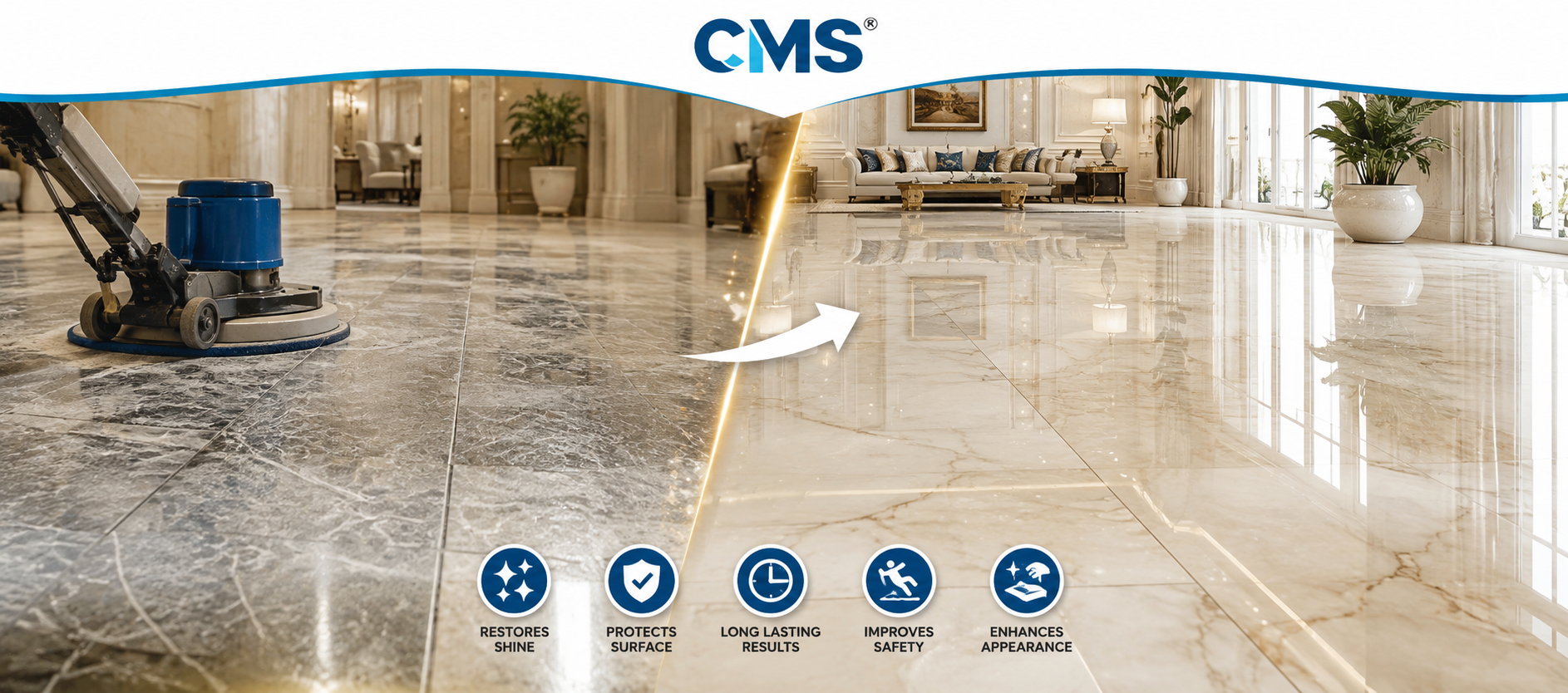
Marble has been a symbol of luxury and timeless elegance for centuries. From grand palaces to modern living rooms, this natural stone brings a sense of sophistication that few other materials can match. However, over time, even the most beautiful marble floors and countertops lose their shine. Daily foot traffic, spills, dust, and improper cleaning methods gradually turn a glossy marble surface into a dull, scratched, and lifeless one.
If you live in the capital city and have noticed your marble losing its charm, you are not alone. Homeowners and businesses across the city regularly search for the best marble polishing services in Delhi to restore the original beauty of their floors, staircases, and countertops. The good news is that with the right techniques, tools, and professional expertise, even the dullest marble can be transformed into a brilliant, mirror-like finish that looks brand new.
In this comprehensive guide, we will explore everything you need to know about marble polishing — why marble loses its shine, the step-by-step polishing process, the benefits of hiring professionals, cost factors, maintenance tips, and how to choose the right service provider. Whether you are a homeowner, an office manager, or a property developer, this article will help you make an informed decision.
Why Does Marble Lose Its Shine Over Time?
Before diving into the solution, it’s important to understand the problem. Marble is a porous natural stone made primarily of calcium carbonate. While it is durable and elegant, it is also sensitive to certain conditions that can dull its surface over time.
1. Foot Traffic and Daily Wear
High-traffic areas such as hallways, living rooms, and staircases experience constant friction from footwear, furniture movement, and general use. Over months and years, this wear breaks down the polished surface layer, leaving behind a dull and scratched appearance.
2. Acidic Spills and Stains
Marble is highly reactive to acidic substances like lemon juice, vinegar, coffee, wine, and certain cleaning chemicals. These substances etch the surface, creating dull spots that are difficult to remove without professional intervention.
3. Improper Cleaning Methods
Many homeowners unknowingly damage their marble by using harsh chemical cleaners, abrasive scrubbing pads, or excessive water. These methods strip away the protective sealant and natural shine, making the stone look tired and lifeless.
4. Dust and Environmental Factors
Delhi’s dusty environment and pollution levels contribute significantly to the buildup of grime on marble surfaces. Over time, this layer of dust settles into the pores of the stone, dulling its natural luster.
5. Natural Aging
Like any natural material, marble ages. Micro-scratches accumulate, the surface becomes porous, and the reflective quality diminishes — even with regular care.
Signs Your Marble Needs Professional Polishing
It’s not always obvious when marble needs polishing versus a simple cleaning. Here are some clear indicators:
- The surface looks cloudy or hazy instead of glossy
- Visible scratches or scuff marks across the floor
- Stains that don’t disappear with regular mopping
- Uneven color or patchy appearance
- Loss of reflective shine, especially in high-traffic zones
- Rough texture instead of the original smooth finish
If you notice any of these signs, it’s time to consider professional restoration rather than continuing with DIY cleaning attempts.
The Marble Polishing Process Explained
Understanding how professionals restore marble helps you appreciate the value of hiring experts rather than attempting a DIY fix. Here is a breakdown of the typical process followed by the best marble polishing services in Delhi.
Inspection and Assessment
Every professional job begins with a thorough inspection. Technicians examine the marble type, the extent of damage, existing scratches, stains, and the overall condition of the surface. This assessment determines the right approach — whether it requires light polishing, deep grinding, or a full restoration.
Dusting and Deep Cleaning
Before any polishing begins, the surface must be completely free of dust, debris, and loose dirt. Professionals use industrial-grade vacuums and cleaning agents specifically formulated for natural stone to prepare the marble for treatment.
Diamond Grinding (For Heavily Damaged Marble)
For marble with deep scratches, uneven surfaces, or significant wear, a diamond grinding process is used. Diamond abrasive pads of varying grits are used to level the surface and remove imperfections layer by layer, starting with coarser grits and moving to finer ones.
Honing
Honing is the process of smoothing the marble surface to prepare it for the final polish. This step removes minor scratches, etch marks, and unevenness, creating a uniform surface texture.
Crystallization and Polishing
This is where the magic happens. Using specialized polishing powders, crystallization compounds, and high-speed rotary machines, technicians work the surface to bring out marble’s natural shine. The chemical reaction during crystallization hardens the surface layer, enhancing both gloss and durability.
Sealing
Once the desired shine is achieved, a penetrating sealant is applied. This step is crucial because it protects the marble from future stains, moisture penetration, and etching caused by spills.
Final Buffing and Quality Check
The final step involves buffing the surface to a mirror-like finish and conducting a thorough quality check to ensure uniform shine and smoothness across the entire area.
Benefits of Hiring the Best Marble Polishing Services in Delhi
While DIY marble cleaning kits are available in the market, they rarely deliver the same results as professional services. Here’s why hiring experts makes a significant difference.
1. Restores Original Brilliance
Professional polishing doesn’t just clean the surface — it restores the marble’s natural reflective quality, making floors and countertops look as good as new, sometimes even better than their original state.
2. Removes Deep Scratches and Stains
Unlike surface cleaning, professional polishing addresses deep-seated scratches, etch marks, and stains that regular mopping simply cannot fix.
3. Increases Property Value
Well-maintained marble flooring significantly enhances the aesthetic appeal and resale value of a property. For homeowners planning to sell or rent their space, this is a worthwhile investment.
4. Extends the Lifespan of Marble
Regular professional polishing and sealing protect marble from long-term damage, extending its usable life by many years.
5. Saves Time and Effort
Marble polishing is a labor-intensive process requiring specialized equipment and expertise. Hiring professionals saves homeowners the time, effort, and risk of damaging the stone through improper DIY attempts.
6. Enhanced Hygiene
Polished and sealed marble surfaces are less porous, making them more resistant to bacteria, dust accumulation, and stains — contributing to a healthier living environment.
7. Customized Solutions
Professional services assess each marble surface individually and apply the right technique, whether it’s light maintenance polishing or a complete restoration for heavily damaged stone.
Types of Marble Polishing Services Available in Delhi
Different marble surfaces require different treatment approaches. Here’s an overview of common services offered by professional providers.
Residential Marble Polishing
Covers living rooms, bedrooms, staircases, kitchen countertops, and bathroom surfaces. Focuses on restoring shine while ensuring safety for daily household use.
Commercial Marble Polishing
Designed for offices, hotels, malls, and showrooms where high foot traffic demands durable, long-lasting shine along with quick turnaround times to minimize business disruption.
Italian Marble Polishing
Italian marble is prized for its unique veining and premium appearance. Specialized techniques are used to preserve its delicate patterns while enhancing gloss.
Granite and Stone Polishing
Many service providers also offer polishing for granite, sandstone, and other natural stone surfaces, using techniques tailored to each material’s hardness and composition.
Marble Floor Restoration
A comprehensive service that includes grinding, honing, crack filling, crystallization, and sealing — ideal for floors with extensive damage.
Anti-Skid Marble Treatment
For safety-conscious homeowners, some providers offer anti-skid coatings alongside polishing to reduce slip hazards without compromising the glossy appearance.
Cost Factors for Marble Polishing in Delhi
The cost of marble polishing varies based on several factors. Understanding these can help you budget effectively and avoid overpaying.
- Area to be polished: Larger spaces generally have a lower per-square-foot rate compared to smaller areas due to economies of scale.
- Extent of damage: Heavily scratched or stained marble requiring diamond grinding costs more than surfaces needing only a light polish.
- Type of marble: Premium varieties like Italian marble may require specialized handling, affecting overall pricing.
- Additional services: Sealing, anti-skid treatment, and crack filling add to the base polishing cost.
- Location and accessibility: Ground floor properties are typically easier to service than upper floors without elevator access, which may affect logistics and pricing.
- Service provider reputation: Established companies with trained technicians and quality equipment may charge more but often deliver superior, longer-lasting results.
It’s advisable to request an on-site inspection and detailed quote from multiple providers before finalizing a service.
How to Choose the Best Marble Polishing Services in Delhi
With numerous service providers available, selecting the right one can feel overwhelming. Here are key factors to consider.
1. Experience and Expertise
Look for companies with years of hands-on experience in handling various types of marble. Experienced technicians are better equipped to assess damage accurately and apply the correct technique.
2. Use of Modern Equipment
Quality polishing requires industrial-grade diamond grinding tools, crystallization machines, and buffing equipment. Ask providers about the technology and tools they use.
3. Customer Reviews and Testimonials
Check online reviews, ratings, and testimonials to gauge customer satisfaction and service reliability. Word-of-mouth recommendations from friends or neighbors can also be valuable.
4. Transparent Pricing
Reputable providers offer clear, itemized quotes without hidden charges. Be cautious of unusually low prices, as they may indicate substandard materials or techniques.
5. Portfolio of Previous Work
Ask to see before-and-after photos of previous projects. This gives a realistic idea of the quality of results you can expect.
6. Warranty and After-Service Support
The best providers stand behind their work with warranties or guarantees, along with maintenance tips and follow-up support.
7. Eco-Friendly Practices
Given growing environmental awareness, consider providers who use eco-friendly polishing compounds and sealants that are safe for your family and pets.
8. Timely Service and Professionalism
Punctuality, clear communication, and respect for your property (using protective coverings for furniture, etc.) are signs of a professional service provider.
DIY Marble Cleaning vs. Professional Polishing
Many homeowners wonder whether they can achieve similar results with DIY methods. Here’s an honest comparison.
DIY Marble Cleaning:
- Suitable only for light surface dust and daily maintenance
- Limited to mild pH-neutral cleaners
- Cannot remove deep scratches or etch marks
- Risk of damaging the stone with wrong products
- No access to professional-grade equipment
Professional Marble Polishing:
- Addresses deep scratches, stains, and etching
- Uses industrial diamond grinding and crystallization techniques
- Provides long-lasting shine and protective sealing
- Backed by expert assessment and customized solutions
- Comes with warranties and professional accountability
While regular DIY cleaning helps maintain marble between professional treatments, it cannot replace the transformative results that professional polishing delivers.
Maintenance Tips to Preserve Your Marble’s Shine
Once your marble has been professionally polished, proper maintenance ensures the results last as long as possible.
- Use pH-neutral cleaners specifically designed for natural stone; avoid vinegar, lemon-based, or ammonia-based products.
- Wipe spills immediately, especially acidic substances like wine, juice, or coffee, to prevent etching.
- Use doormats and rugs at entrances to reduce dirt and grit being tracked onto marble surfaces.
- Avoid dragging furniture across marble floors; use protective pads under furniture legs.
- Dust regularly with a soft microfiber mop to prevent scratches from grit and debris.
- Reseal periodically, typically every 6 to 12 months, depending on foot traffic and usage.
- Avoid excessive water during mopping, as standing water can seep into pores and cause damage over time.
- Schedule professional maintenance polishing every 1-2 years to keep the shine consistent.
Common Mistakes to Avoid When Maintaining Marble
- Using harsh chemical cleaners or bleach-based products
- Ignoring small stains, which can become permanent over time
- Walking on marble with high heels or rough footwear
- Skipping professional resealing, leaving the stone vulnerable to stains
- Using steel wool or abrasive scrubbers that scratch the surface
- Delaying professional polishing until damage becomes severe and costly to fix
Why Delhi Homeowners Are Increasingly Choosing Professional Marble Polishing
Delhi’s unique climate — with its dusty summers, humid monsoons, and pollution levels — poses particular challenges for marble maintenance. Homeowners across the city are recognizing that professional polishing isn’t a luxury but a necessity for preserving their investment in natural stone flooring.
Additionally, with rising real estate values and growing awareness of interior aesthetics, more residents are prioritizing regular marble maintenance as part of their home care routine. Whether renovating an old property or maintaining a newly constructed home, professional marble polishing has become an essential service for property owners across the National Capital Region.
Conclusion
Marble is a timeless investment that adds elegance and value to any space, but it requires proper care to maintain its brilliance over time. Dull, scratched, and stained marble doesn’t have to be a permanent problem — with the right expertise, tools, and techniques, it can be transformed back into a stunning, mirror-like surface that enhances the beauty of your home or workplace.
If you’re searching for the best marble polishing services in Delhi, prioritize experience, transparent pricing, modern equipment, and proven results. A professional touch not only restores the shine but also protects your marble investment for years to come. Don’t let dull, tired marble diminish the beauty of your space — invest in professional polishing and rediscover the brilliant finish your marble deserves.
Frequently Asked Questions (FAQs)
Q1. How often should marble be polished?
Marble should ideally be professionally polished every 1 to 2 years, depending on foot traffic and usage. High-traffic commercial spaces may require more frequent polishing compared to residential areas.
Q2. Can all types of stains be removed through polishing?
Most surface stains and etch marks can be significantly improved or completely removed through professional polishing. However, very deep or old stains that have penetrated the stone may require additional treatments like poulticing.
Q3. Is marble polishing a messy process?
Professional services use dust-control equipment and protective coverings to minimize mess. Reputable companies ensure minimal disruption to your furniture and living space during the process.
Q4. How long does the marble polishing process take?
The duration depends on the size of the area and extent of damage. A standard room may take a few hours, while larger areas or heavily damaged floors may require one to two days.
Q5. Will polishing make my marble floor slippery?
While polished marble does have a glossy finish, professional providers can apply anti-skid treatments to enhance safety without compromising the shine.
Q6. What is the difference between polishing and sealing?
Polishing restores the shine and smoothness of the marble surface, while sealing applies a protective coating that prevents stains, moisture damage, and etching. Both processes are typically done together for best results.
Q7. Can I walk on marble immediately after polishing?
It’s best to avoid walking on freshly polished marble for a few hours to allow the sealant to cure properly. Your service provider will advise on the exact waiting time.
Q8. Is professional marble polishing expensive?
Costs vary based on area size, damage extent, and marble type. While it involves an upfront investment, professional polishing is cost-effective in the long run as it extends the lifespan of your marble and reduces the need for premature replacement.
Q9. Can marble polishing fix cracks?
Minor cracks can often be filled and blended during the restoration process. However, significant structural cracks may require specialized repair before polishing can proceed.
Q10. How do I maintain shine between professional polishing sessions?
Regular dusting with a microfiber mop, using pH-neutral cleaners, wiping spills immediately, and avoiding abrasive cleaning tools will help maintain shine between professional treatments.